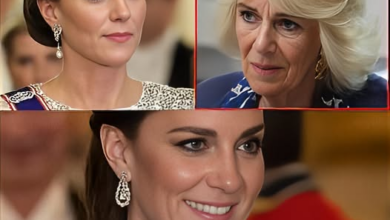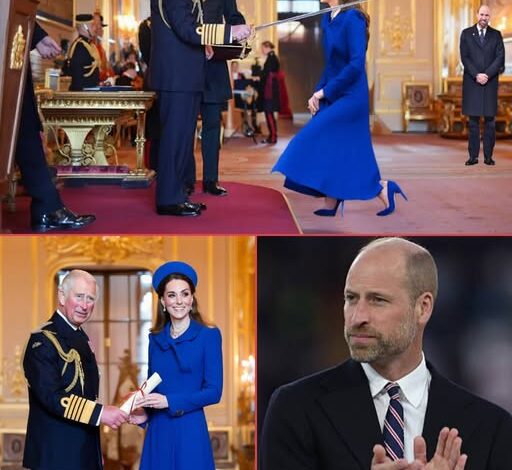
RF. Kate Middleton and Prince William Will Have New Royal Roles Starting in 2026
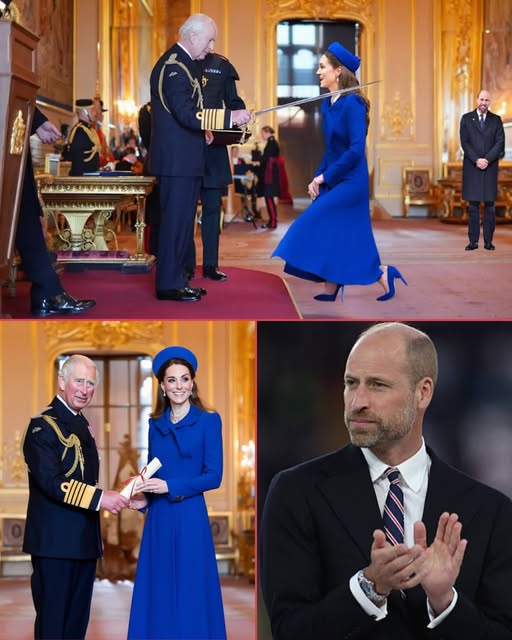
The British royal family is preparing for a subtle but meaningful shift in responsibility as Prince William and Catherine, Prince and Princess of Wales, are set to assume new institutional roles in 2026. According to reporting by established UK outlets and information from the Royal Warrant Holders Association, the couple will become Grantors of Royal Warrants, a role that carries historic significance and tangible influence within British commerce and industry.
This development reflects King Charles III’s long-term approach to modernizing the monarchy while gradually preparing the next generation for greater responsibility.
A Royal Warrant of Appointment is an official mark of recognition granted to companies or individuals who have supplied goods or services to the Royal Household on a regular and ongoing basis. According to the Royal Warrant Holders Association, eligible suppliers must typically demonstrate a consistent relationship with the Royal Household for at least five of the previous seven years
Once awarded, a Royal Warrant allows the recipient to display the relevant Royal Arms on products, packaging, business premises, and promotional materials for a fixed period, usually five years. The warrant does not constitute a commercial endorsement in the modern advertising sense, but it does signal trust, quality, and long-standing service.
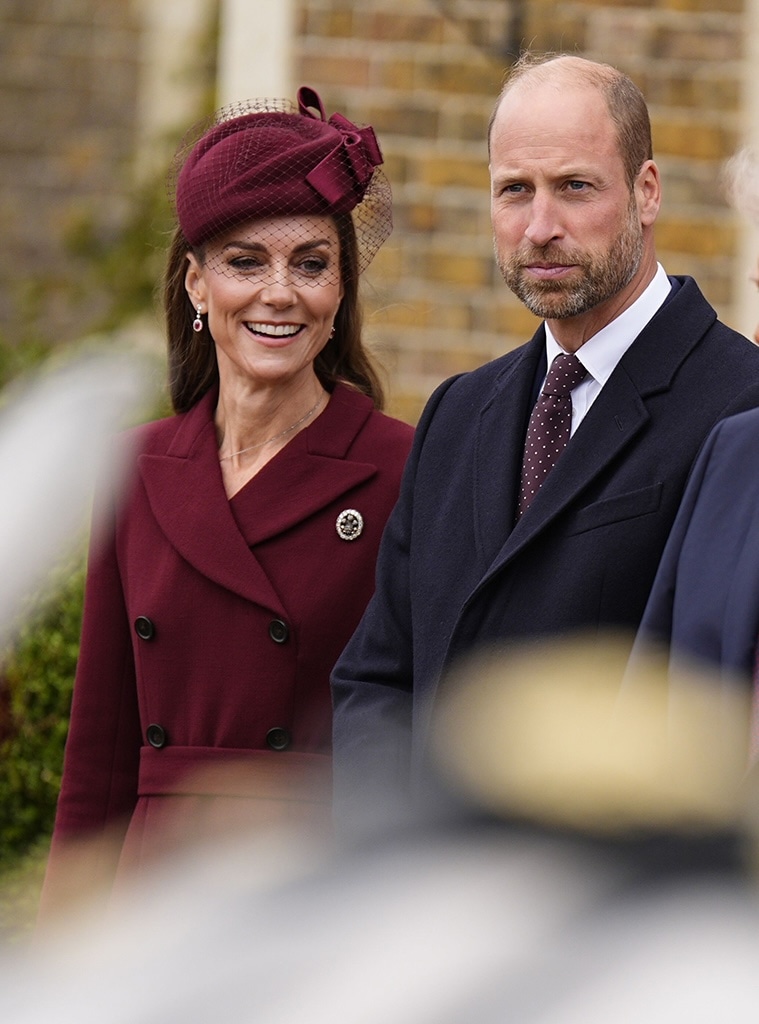
Grantors of Royal Warrants: A Position of Authority
Only senior members of the royal family can act as Grantors of Royal Warrants. Historically, this role has been held by the monarch and, in some cases, other senior royals who maintain independent households.
Since ascending the throne in 2022, King Charles III and Queen Camilla have acted as Grantors, overseeing the renewal and issuance of hundreds of warrants across a wide range of sectors. Publicly available records show that warrants have been awarded to long-established British and international companies providing food, beverages, clothing, household goods, and professional services.
The authority to grant warrants is not automatic. It is conferred by the sovereign and reflects institutional trust rather than personal preference.

William and Catherine’s New Role Beginning in 2026
Multiple reputable outlets, including Town & Country and The Times, have reported that King Charles has approved Prince William and Catherine becoming Grantors of Royal Warrants beginning in spring 2026. This timeline aligns with administrative planning within the Royal Household and allows for a structured transition.
As Prince and Princess of Wales, William and Catherine maintain their own household operations, which makes them eligible to participate in the Royal Warrant system once formally authorized.
Their inclusion represents a significant expansion of responsibility and reflects their evolving role as future monarchs.

What This Does — and Does Not — Mean
It is important to clarify what the authority to grant Royal Warrants involves:
• It does not allow the Prince and Princess of Wales to endorse products personally
• It does not permit paid brand partnerships
• It does not override the strict eligibility and review process governed by the Royal Warrant system
Instead, the role involves reviewing recommendations from Royal Household officials and confirming that suppliers meet established criteria of service, reliability, and quality.
The process remains administrative, structured, and subject to oversight.
Catherine’s Public Influence and Fashion Interest
Catherine, Princess of Wales, has long been recognized by fashion analysts and retailers for her visible influence on consumer behavior. Academic studies and retail reports have documented measurable increases in demand for certain clothing items following public appearances.
Royal fashion commentators have noted that her visibility has introduced many younger audiences to royal traditions, including British designers and heritage brands.
However, experts consistently emphasize that Royal Warrants are not fashion awards and are not issued based on popularity. Suppliers must demonstrate long-term service to the Royal Household, regardless of public trends.

Expert Perspectives on the Royal Warrant System
Elizabeth Holmes, author and royal style analyst, has described the Royal Warrant as one of the most recognizable institutional honors associated with the monarchy. She has noted that the involvement of William and Catherine may raise public awareness of the system, particularly among younger generations.
Royal journalist Richard Palmer has referred to the Royal Warrant as a benchmark of trust rather than a promotional tool, emphasizing that its value lies in longevity and consistency rather than visibility alone.
Both perspectives align with official guidance from the Royal Warrant Holders Association, which stresses discretion, continuity, and service.
Economic and Cultural Significance
Royal Warrants play a measurable role in supporting British businesses, particularly small and medium-sized enterprises with long histories. Many warrant holders cite international recognition and credibility as long-term benefits of the designation.
The expansion of Grantors to include the Prince and Princess of Wales may help ensure continuity in the system while maintaining its traditional standards.
Importantly, warrants are reviewed regularly, and holders must reapply at the end of each five-year period. Grantor authority includes the ability to decline renewal where standards are no longer met.

Part of a Broader Transition
This development comes amid other carefully managed changes within the monarchy. King Charles has publicly supported a streamlined royal structure, focusing official duties on a smaller number of working royals.
Prince William and Catherine have steadily increased their responsibilities in areas such as early childhood development, mental health advocacy, homelessness initiatives, and environmental awareness. The addition of Royal Warrant authority fits within this broader pattern of gradual institutional involvement.
Looking Ahead to 2026
As 2026 approaches, businesses, royal observers, and historians alike will watch how William and Catherine approach their new responsibilities. While their role will remain largely behind the scenes, it represents a significant step toward future leadership.
The Royal Warrant system, unchanged in principle for centuries, continues to adapt through careful governance rather than public spectacle.
Conclusion
Prince William and Catherine becoming Grantors of Royal Warrants marks an important but measured evolution within the British monarchy. Grounded in tradition and governed by strict criteria, the role reinforces continuity rather than change for its own sake.
As future King and Queen, their participation underscores the monarchy’s commitment to stability, accountability, and long-standing service relationships — values that remain central to the institution’s public role in modern Britain.